
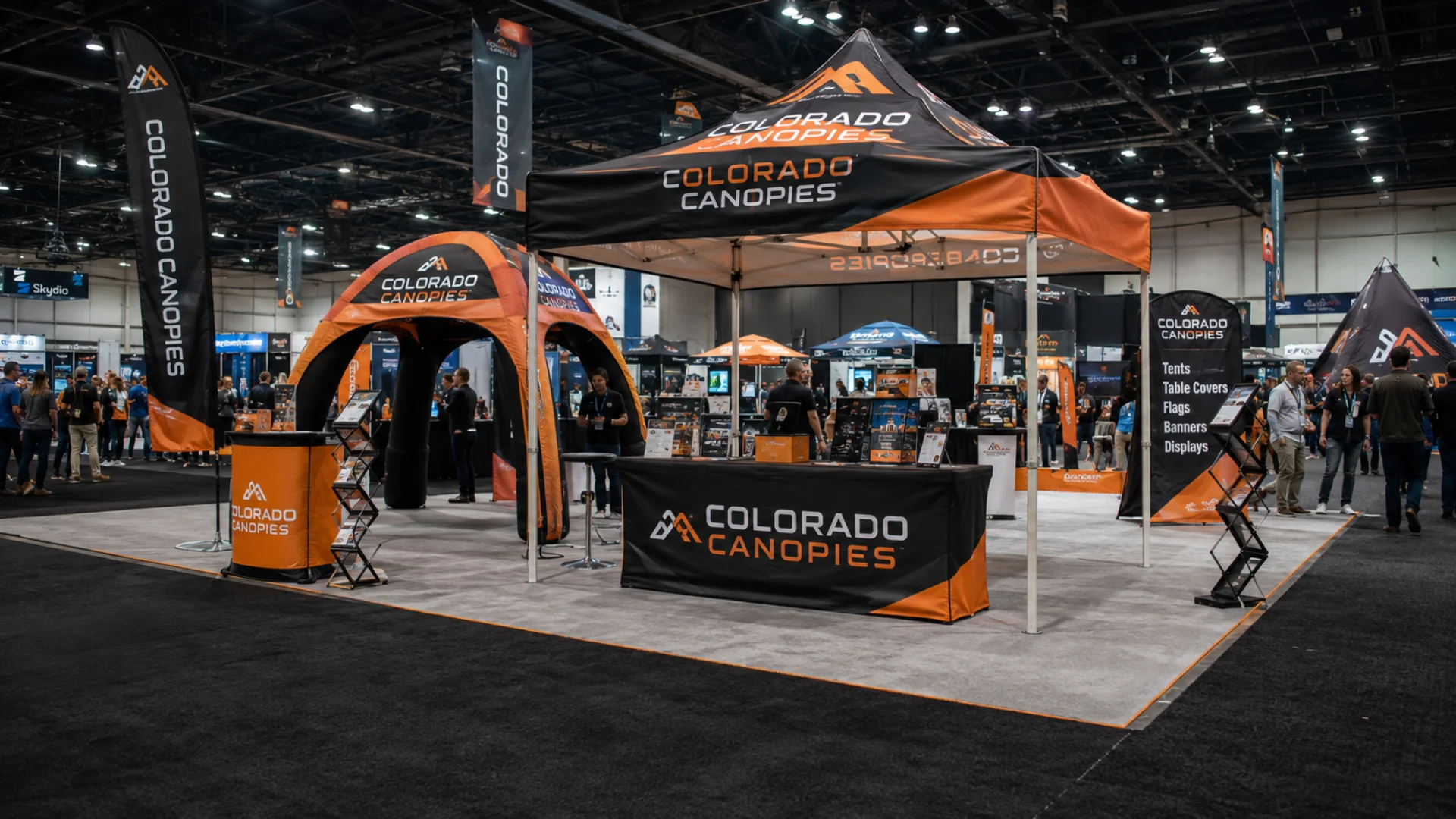
The Science Behind Canopy Fabrics: Choosing the Right Material for Durable Outdoor Tents
When your outdoor canopy tent faces sun, rain, and wind all day, not all fabrics hold up the same. Choosing the right canopy tent fabric means understanding key details like denier, coatings, and UV resistance. In this post, you’ll get clear insights on how durable outdoor canopy tents are built to last—and why material choices matter for your next event. For more detailed information, you can visit this guide to choosing the right shelter fabrics.
Understanding Canopy Tent Fabrics
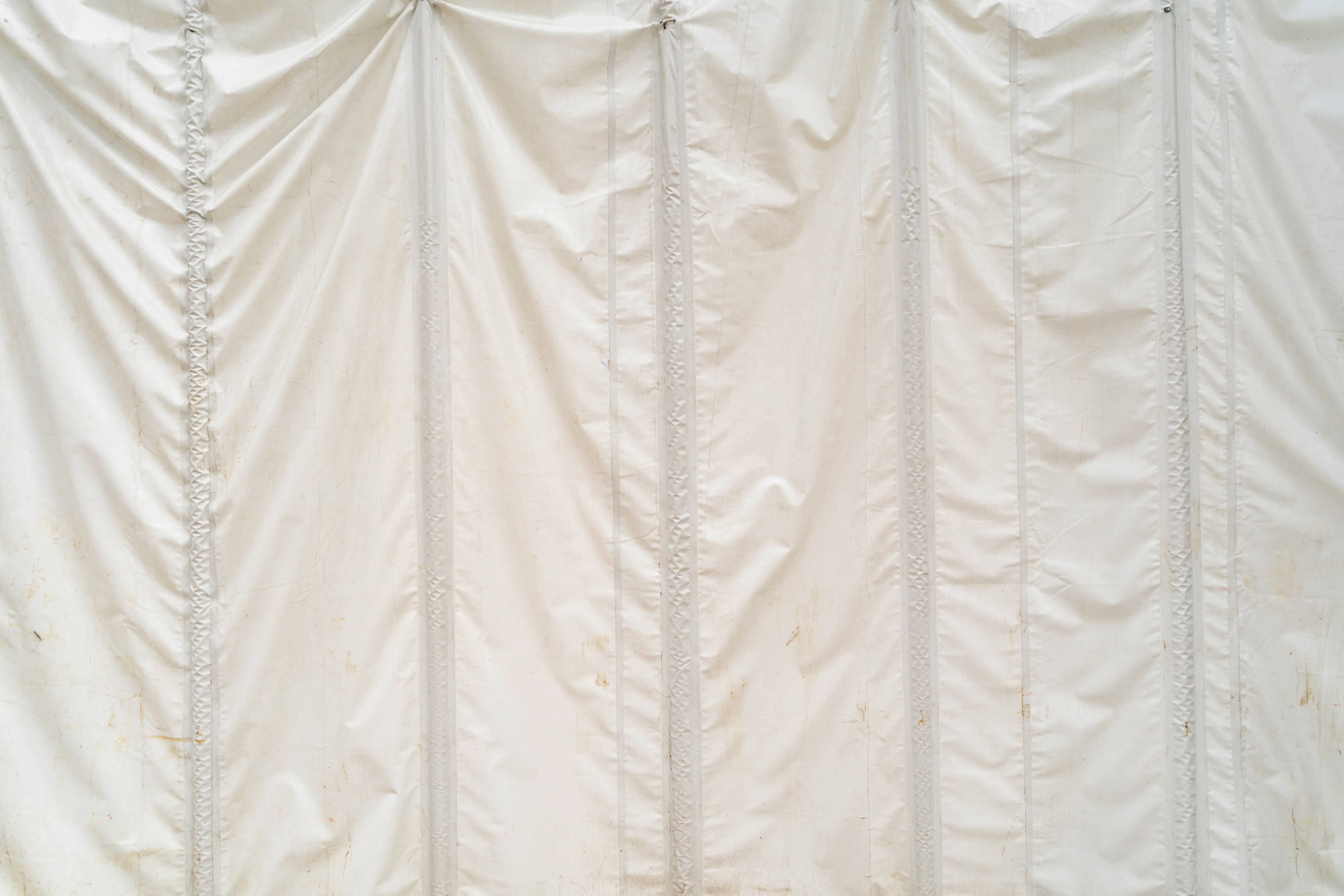
When it comes to canopy tents, the fabric is the unsung hero. It’s what keeps you dry during unexpected showers and shields you from the relentless sun. Let’s dive into what makes a fabric truly stand out for your outdoor events.
Key Fabric Components
Fabrics aren’t just pieces of cloth; they’re crafted with components that determine their strength. Denier measures fiber thickness and impacts durability. A higher denier means tougher fabric. Weaving patterns, like ripstop, add extra tear resistance. When choosing a tent, these elements can spell the difference between a one-time use and a long-lasting investment. Check out this comprehensive guide on tent fabric requirements for more insights.
Denier and Weave Explained
Ever wondered what those numbers like 600D or 420D mean? They’re denier ratings and a crucial factor in fabric strength. A 600D polyester offers more resilience than 420D, making it a popular choice for commercial-grade tents. The weave also plays a part. A tight weave means fewer gaps, better protection from elements, and a finer look. Next time you shop, remember: higher denier and a tight weave equals a sturdier tent.
Importance of Fabric Coatings
Fabric coatings are the secret sauce to weather resistance. A good coating can transform ordinary fabric into a water-repellent shield. Look for PU or PVC coatings that add layers of protection. These coatings also enhance UV resistance, keeping colors vibrant under the sun. If longevity is your goal, coatings are a must-have in your canopy tent fabric. For a deeper understanding of fabric coatings, see this detailed fabric guide.
Comparing Popular Canopy Materials
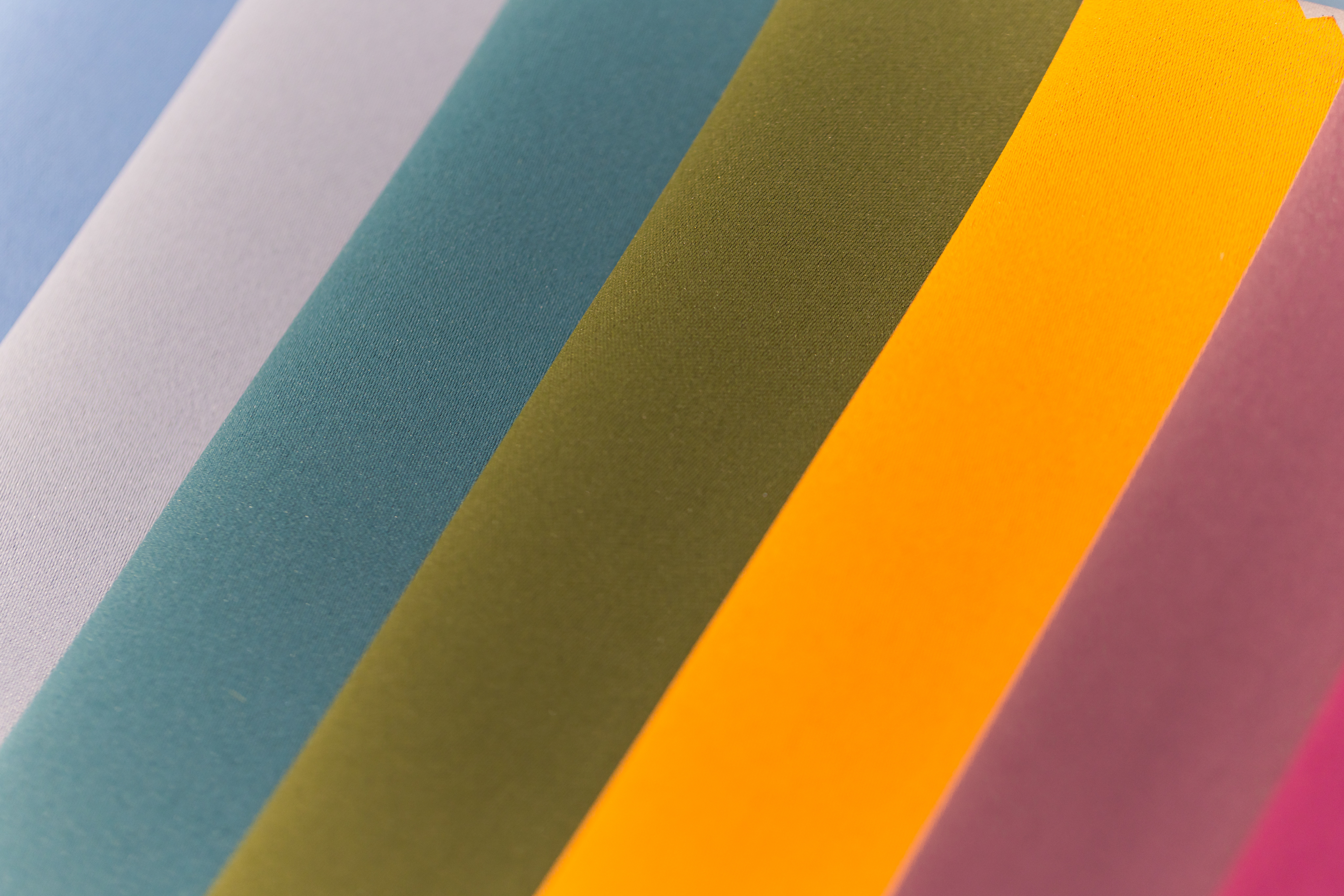
Now that you grasp the basics, let’s compare materials. Each fabric type has its strengths, and knowing these can help you pick the right one for your needs.
600D Polyester vs 420D
Choosing between 600D and 420D polyester is about balancing durability and budget. 600D polyester is robust and ideal for frequent use. It withstands more wear and tear, making it perfect for busy events. On the other hand, 420D is lighter and less expensive, suitable for occasional use or less demanding conditions. Both options provide good water and UV protection, but 600D gives you that extra mile of toughness.
Benefits of Solution-Dyed Polyester
Solution-dyed polyester is a game-changer for colorfastness. Unlike traditional dyes, the color is part of the fiber itself, not just on the surface. This means vibrant colors that resist fading, even under harsh sunlight. It’s perfect for maintaining a professional appearance at events. Plus, solution-dyed fabrics are often more resistant to stains and mildew, ensuring your tent looks its best, rain or shine.
Evaluating Ripstop and PVC Coatings
Ripstop fabrics are designed to stop tears in their tracks. This grid-style weave adds strength without much weight. Meanwhile, PVC coatings are all about protection. They add a layer of waterproofing and improve UV resistance. Choosing a ripstop fabric with a PVC coating offers double the defense: tear prevention and weather resistance. These features make your canopy a reliable shelter, even in unpredictable conditions.
Essential Performance Ratings
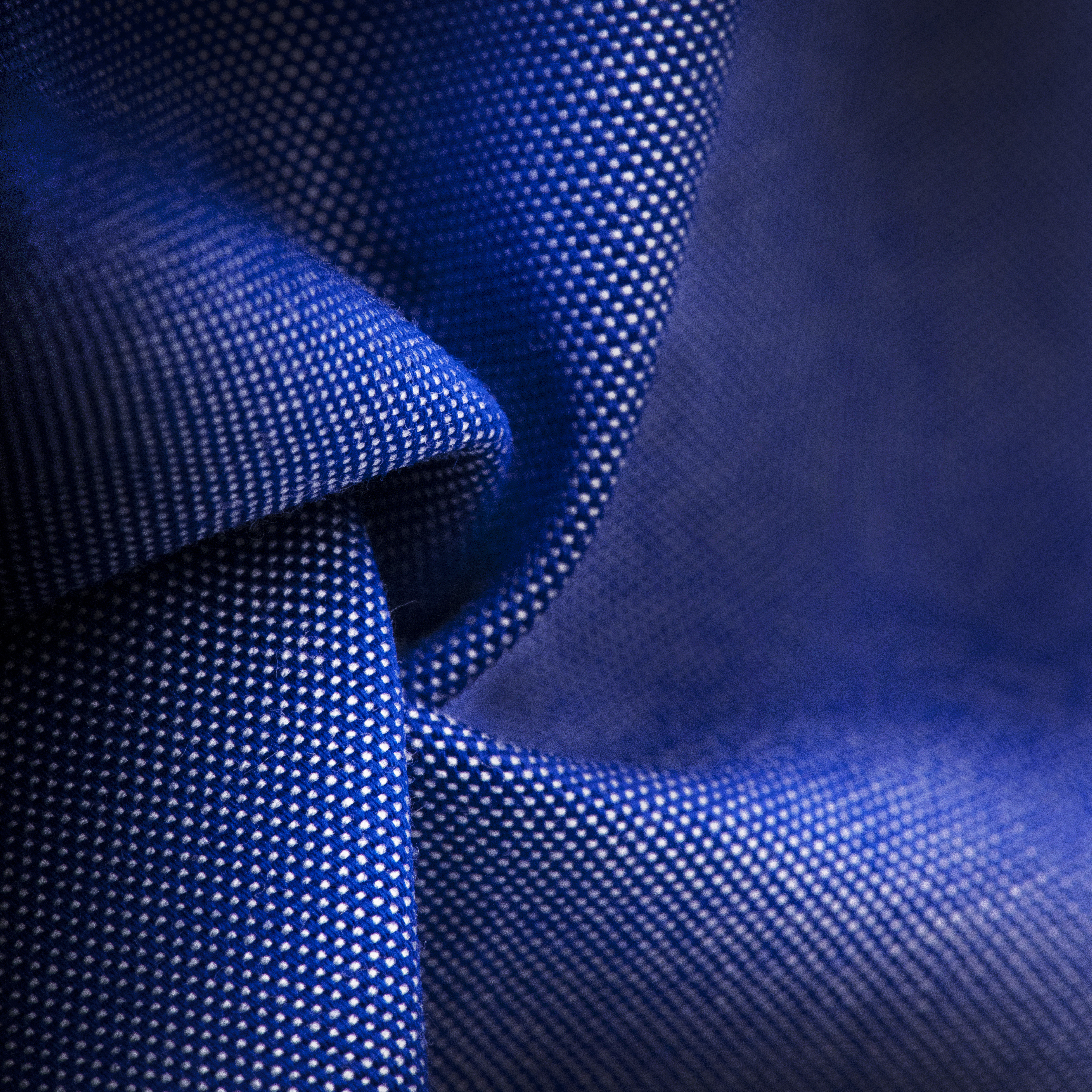
Understanding performance ratings will empower you to make informed decisions. These ratings tell you how well your canopy performs in key areas.
UV and Flame Resistance
Sun and fire are two major threats to your canopy tent. Look for fabrics with UV-resistant properties, specifically UPF 50+ ratings, which block more than 98% of UV rays. This keeps you safe and preserves tent colors. Flame resistance is equally crucial, especially for safety. Fabrics that meet CPAI-84 or NFPA 701 standards ensure your canopy is safer in case of an emergency.
Measuring Waterproof Capabilities
Waterproofing is vital for outdoor events. Ratings like the hydrostatic head tell you how much water pressure fabric can withstand before leaking. A rating of 1000mm is basic protection, while 3000mm or more offers robust water resistance, keeping you dry even in heavy rain. These ratings help ensure your investment pays off by providing reliable protection.
Reinforced Construction Techniques
A strong canopy isn’t just about the fabric; it’s also about how it’s put together. Look for features like RF welded seams and reinforced stress points. These construction techniques add strength and prevent ripping in high-stress areas. Reinforced canopies withstand harsh conditions and frequent setup, making them a durable choice for any event.
In conclusion, understanding these fabric elements gives you the confidence to choose the right canopy for your needs. Whether you’re shielding guests from the sun or braving a downpour, the right material makes all the difference. By focusing on quality, you not only protect your investment but also ensure a successful and memorable event.
Contact us with any questions!