


Choosing the right custom event displays can feel like juggling three tough demands: grabbing attention, standing up to wear and tear, and setting up without headaches. You want your brand seen clearly, but also need displays that last through every rain or sun blast, plus come together fast when time’s tight. This guide breaks down exactly what to look for—visibility impact, durable materials, and easy assembly—so your next event signage Denver project hits every mark with confidence. Learn more about choosing the perfect display here.
Mastering Display Visibility
Visibility is the heartbeat of any successful display. Without it, even the most creative designs can fall flat.
Eye-Catching Design Strategies
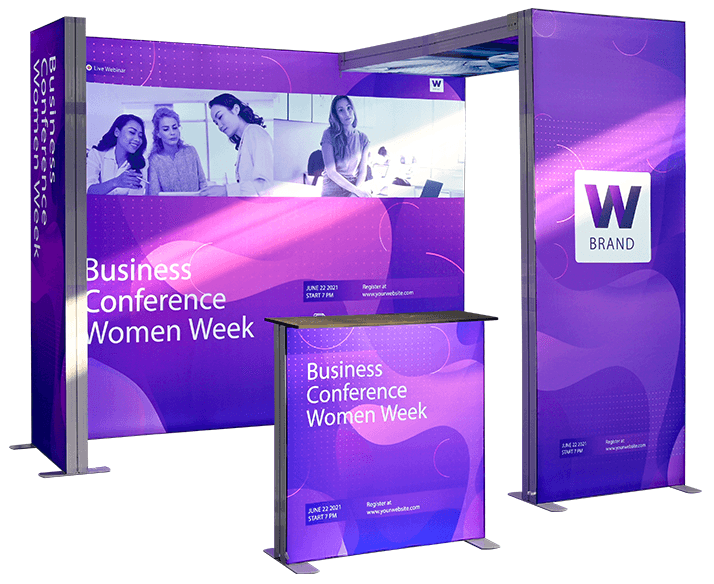
Creating displays that captivate starts with bold design choices. Custom event displays should feature vibrant colors and dynamic graphics to draw attention from afar. Consider using dye-sublimation printing for sharp, long-lasting imagery. Think of your display as a silent brand ambassador; it should communicate your message clearly and effectively. Incorporate lighting, like SEG light boxes, to highlight areas of importance and create a focal point.
Beyond colors, the layout matters. Use modular designs to keep things fresh. This flexibility lets you adapt your setup to fit different spaces and needs, ensuring your display remains engaging and relevant. A good rule of thumb is to keep the design simple but impactful—avoid clutter to ensure your core message shines through.
Optimal Placement Techniques
Placement is a game-changer when it comes to maximizing your display’s impact. Whether you’re at a trade show or an outdoor festival, positioning can make or break your visibility. For instance, at a busy event, place your custom canopy tents near entrances for maximum foot traffic exposure. This ensures that attendees notice your brand first, increasing the likelihood of engagement.
When it comes to indoor events, consider sightlines. Ensure that your display is visible from various angles and distances. Use height strategically—tall banners or flags can be seen over crowds and direct attention to your booth. Remember, the goal is to make your display unavoidable, no matter where attendees stand.
Ensuring Durability and Longevity
A display worth investing in must withstand the elements and frequent use. Let’s explore how quality and durability go hand in hand.
Quality Material Selection
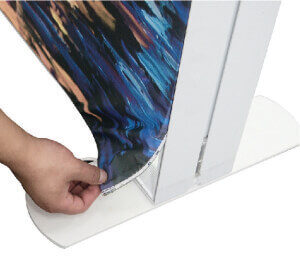
Choosing materials that last is vital for any portable trade show display. Aluminum display frames, for instance, offer a lightweight yet robust structure that can endure constant assembly and disassembly. Pair this with UV-resistant graphics to ensure your display remains bright and vivid, regardless of exposure to sunlight.
Opt for materials that are both durable and easy to maintain. Scratch-resistant and washable fabrics keep your setup looking professional over time. This not only saves costs in the long run but also keeps your brand image polished and reliable. Investing in quality materials means fewer headaches and more focus on connecting with your audience.
Weather-Resistant Features
For outdoor events, weather resistance is non-negotiable. Displays need to brave the elements without compromising their appearance or function. Look for features like water-resistant fabrics and sturdy bases to prevent damage from rain or wind. A Denver signage company like Colorado Canopies understands the local climate challenges and offers solutions that are built to last in any weather.
Incorporate features like zippered enclosures and reinforced seams to keep your setup stable and protected. These small details can make a big difference in how your display performs when the weather takes a turn. The longer your display withstands the elements, the more events you can tackle without worry.
Simplifying Setup and Breakdown
Efficiency is key in high-pressure environments. A display that’s easy to set up and take down saves time and stress.
Tool-Free Assembly Benefits
Imagine arriving at an event and setting up your display in minutes, no tools required. This is the beauty of tool-free assembly. Systems designed for quick assembly use mechanisms like snap-together frames or tension fabric stretches that eliminate the need for complicated tools or instructions. This allows you to focus on engaging with your audience rather than wrestling with your setup.
Tool-free designs are especially beneficial for teams with tight schedules or limited manpower. They reduce the risk of assembly errors and ensure a professional appearance every time. As a result, you can spend more time perfecting your presentation and less time worrying about the logistics.
Efficient Packing and Transport 🚚
Transporting displays should be as hassle-free as possible. Aim for designs that are lightweight and compact, allowing for easy packing and moving. Portable marketing displays often come with carrying cases or bags designed to protect your setup during transit.
Consider modular setups that break down into smaller components, making them easier to fit into vehicles and carry to your event location. This not only saves space but also reduces the risk of damage during travel. A well-packed display ensures that everything arrives intact and ready to impress.
Frequently Asked Questions
What materials are best for outdoor displays?
Outdoor displays should use water-resistant fabrics and durable aluminum frames to withstand weather conditions. UV-resistant graphics ensure long-lasting vibrancy.
How do I ensure my display stands out at a trade show?
Focus on vibrant colors, dynamic graphics, and strategic placement near high-traffic areas. Incorporate lighting like SEG light boxes to highlight key messages.
Why is tool-free assembly important?
Tool-free assembly saves time and reduces stress during setup. It allows for quick and error-free assembly, ensuring a professional look with minimal effort.
For more insights, check out this blog on creating impactful trade show displays.
Contact us with any questions!